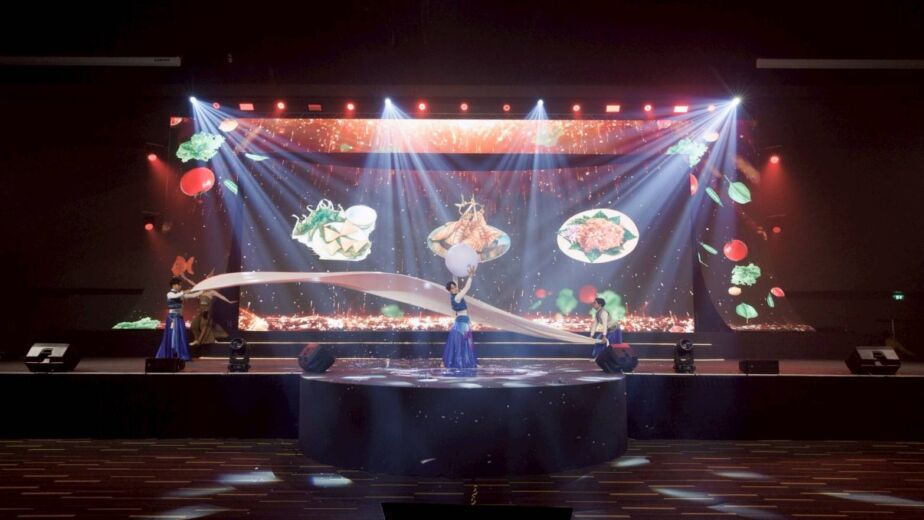
What does “Node Na Le” mean, and why do people in Songkhla talk about it so often?
This simple three-word phrase is much more than a geographical description. It represents a traditional way of life that has connected people, nature, and food around Songkhla Lake for generations.
“Node” refers to the Palmyra Palm, one of the most important cultural and economic plants in the region. Almost every part of the tree is used—from palm sugar and palm fruit to palm leaves for handicrafts. The Palmyra Palm is not merely a tree; it is a symbol of local wisdom and community identity.
“Na” means rice fields and agricultural land that have sustained communities for centuries. The fertile ecosystem surrounding Songkhla Lake supports diverse crops and local ingredients, creating a food culture closely tied to farming traditions and seasonal cycles.
“Le” means the sea and Songkhla Lake, one of Southern Thailand’s most important aquatic ecosystems. The area is famous for its unique “Three Waters” environment, where freshwater, brackish water, and seawater meet. This ecosystem produces distinctive fish, shrimp, shellfish, and seafood with flavours found nowhere else.
Together, Node Na Le forms the foundation of Songkhla’s food culture, reflecting the richness of nature, cultural diversity, and generations of local knowledge.
Breakfast Like a Local: Khai Khrop and Hot Coffee
Mornings begin early in Songkhla, especially in communities surrounding the lake, where fishermen head out before sunrise.
One of the region’s most iconic breakfast dishes is Khai Khrop, a GI-certified specialty from the Songkhla Lake Basin.
Made by curing duck egg yolks with salt and steaming them until they develop a rich, creamy texture, Khai Khrop offers a savoury, umami-packed flavour that pairs perfectly with hot rice porridge or freshly steamed rice.
Many local cafés and traditional coffee shops serve it alongside Southern-style coffee or tea, creating a simple yet deeply satisfying start to the day.
Mid-Morning Refreshment: Songkhla’s Famous Ma-Muang Bao
No visit to Songkhla is complete without tasting Ma-Muang Bao, one of the province’s most celebrated GI products.
This small mango variety is known for its crisp texture, refreshing acidity, and distinctive aroma. It can be enjoyed in many ways, including:
- Fresh with chilli salt
- Served with sweet shrimp paste dip
- Pickled
- Candied
- Used in spicy mango salads
On a warm afternoon, a chilled Ma-Muang Bao offers the perfect taste of Southern Thailand’s vibrant food culture.
Lunch: Kaeng Hua Node and the Spirit of the Palm
The Palmyra Palm is at the heart of the Node way of life, and one of the best examples is Kaeng Hua Node, a traditional curry made from young palm fruit.
The tender palm flesh provides a natural sweetness that balances the aromatic heat of Southern Thai curry paste. Some recipes include fresh shrimp or salted fish, adding additional layers of flavour.
Served with steamed rice, this dish beautifully demonstrates how local communities have utilised every part of the Palmyra Palm for generations.
More than just a meal, Kaeng Hua Node tells the story of Songkhla’s deep relationship with its natural environment.
Afternoon Snacks from the Lake
As the day progresses, ingredients from the “Le” or aquatic side of Node Na Le take centre stage.
Popular local snacks and dishes include:
- Grilled giant freshwater prawns
- Sweet marinated shrimp
- Crispy fried anchovies
- Pla Duk Ra (traditional fermented catfish)
These ingredients come from Songkhla’s unique Three Waters ecosystem, where freshwater, brackish water, and seawater interact to create seafood known for its natural sweetness and firm texture.
Among them, Pla Duk Ra stands out as an example of local food preservation wisdom. The fish is salted and sun-dried, developing a rich and distinctive flavour that is commonly enjoyed fried or stir-fried with curry paste.
Ending the Day with Palm Sugar and Traditional Desserts
Before leaving Songkhla, make time to enjoy some traditional sweets.
Local favourites include:
- Ancient-style Chinese pastries
- Khanom Chak (coconut-filled palm leaf sweets)
- Traditional desserts made with authentic palm sugar
Palm sugar produced from the Palmyra Palm offers a naturally fragrant sweetness with subtle smoky notes from traditional cooking methods.
For generations, this distinctive flavour has been an essential part of Songkhla’s culinary heritage and remains closely connected to the Node way of life.
More Than Food: Understanding Songkhla Through Node Na Le
Node Na Le is more than a phrase. It is a living philosophy that connects nature, communities, and food.
Every dish in Songkhla carries traces of the lake, fishing communities, rice fields, and palm groves that have shaped the region for centuries. This is why Songkhla cuisine offers much more than delicious flavours—it tells stories of place, identity, and cultural heritage.
For travellers seeking experiences beyond ordinary dining, Songkhla provides a unique opportunity to explore a food culture deeply rooted in its landscape and people.
Follow Songkhla Gastronomy and Songkhla Foodie for more local food stories, culinary discoveries, and cultural experiences from the City of Two Seas.