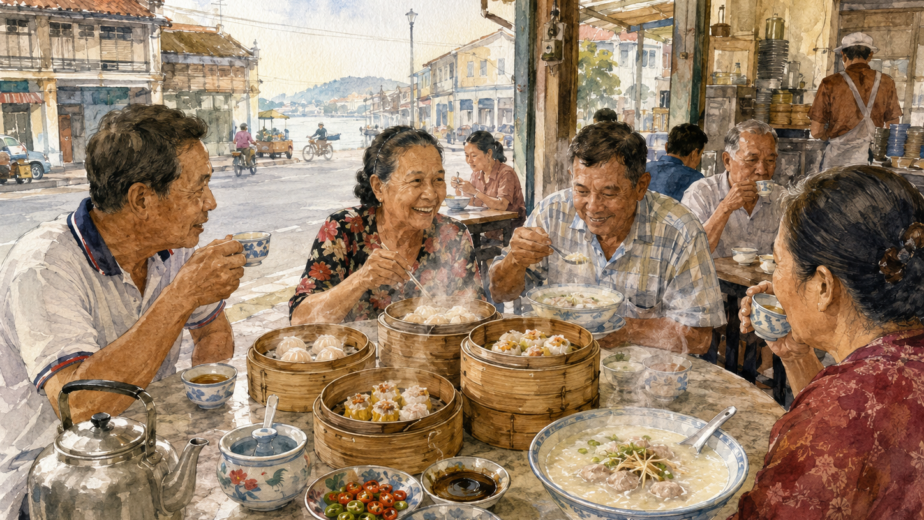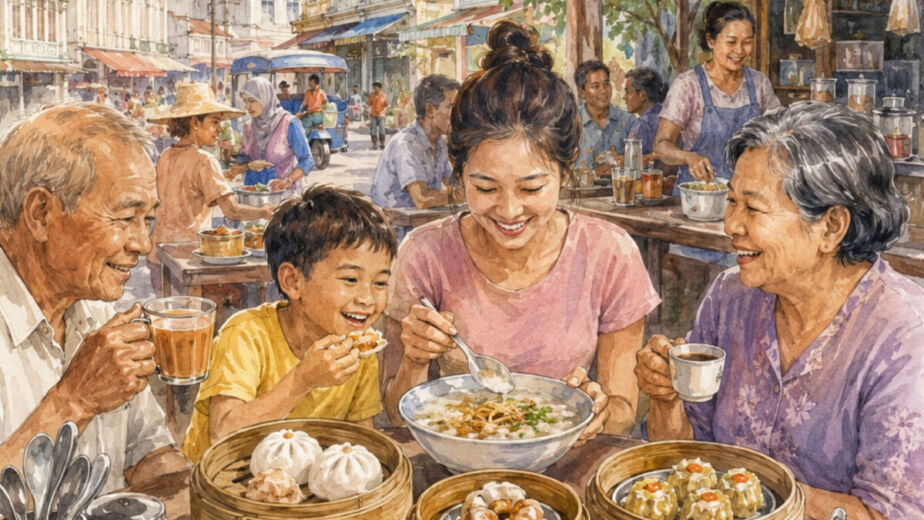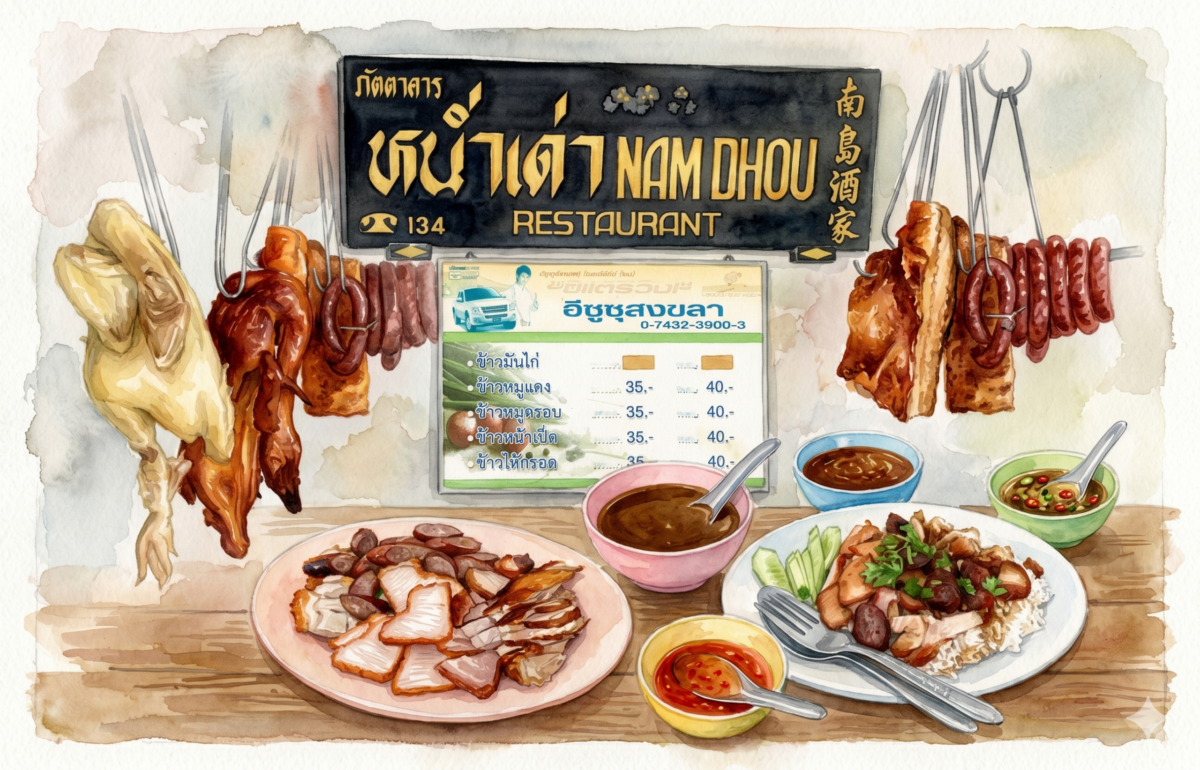
Hidden within the historic streets of Songkhla Old Town is a small restaurant with an extraordinary story. Known as Nam Tao, this humble one-unit eatery traces its origins to what was once the first Thai-Chinese restaurant in Songkhla, serving the community more than half a century ago.
Although the original restaurant has evolved over time, its culinary legacy remains intact. The recipes and cooking techniques have been preserved by a former assistant chef who continues to prepare the dishes with the same dedication and attention to detail that defined the restaurant’s reputation decades ago.
A Pioneer of Songkhla’s Dining Culture
During Songkhla’s early years as a thriving trading port and multicultural settlement, Nam Tao played an important role in the city’s social and culinary life.
The restaurant served as a gathering place for families, merchants, and visitors, reflecting the strong influence of Chinese communities on the development of local food culture. Today, despite its smaller scale, the restaurant continues to embody the spirit of those pioneering years.
Hainanese Rice with Traditional Roasted Meats
One of the restaurant’s signature dishes is Hainanese-style rice served with a selection of traditional roasted meats.
The rice is carefully cooked to achieve a light, fluffy texture with a subtle richness, while the roasted duck, barbecued pork, and crispy pork are prepared using techniques rooted in Chinese culinary traditions.
Each component reflects the meticulous craftsmanship that has been passed down through generations, emphasizing quality ingredients and precise cooking methods.
Traditional Liver Sausage: A Rare Culinary Treasure
What truly distinguishes Nam Tao is its traditional liver sausage, a heritage dish that has become increasingly rare in modern food culture.
The process begins with carefully cleaned pork liver combined with seasoned pork meat before being stuffed into casings and slowly roasted over gentle heat. This method creates a rich aroma, tender texture, and complex flavor profile that cannot be easily replicated.
The dish reflects traditional Chinese preservation and meat-processing techniques that were once common among immigrant communities and remain an important part of Songkhla’s culinary heritage.
Preserving History Through Food
Nam Tao is more than a restaurant. It is a living archive of Songkhla’s multicultural history, preserving recipes, techniques, and memories that connect past generations with the present.
By continuing to serve these heritage dishes, the restaurant helps safeguard culinary knowledge while offering visitors an authentic taste of the city’s history.
As Songkhla advances its vision as a Creative City of Gastronomy, establishments such as Nam Tao demonstrate how food can preserve cultural heritage, strengthen community identity, and keep local stories alive for future generations.