When people hear the term Heritage Food, they often think of ancient recipes, rare traditional dishes, or culinary traditions passed down through generations. In Songkhla, however, Heritage Food means much more than that.
These dishes are living traces of communities, landscapes, cultures, and ways of life that have been carefully preserved and passed from one generation to the next. Some originated in humble family kitchens. Others emerged from local food preservation techniques, religious celebrations, morning markets, or the daily lives of fishing communities around Songkhla Lake.
Over time, these foods have become more than meals. They have evolved into cultural heritage, telling the story of who the people of Songkhla are, how they live, and how nature has shaped their identity for centuries.
Recognized for its rich gastronomy, Songkhla is distinguished by its abundant natural resources, multicultural heritage, and the unique ecosystem created by Songkhla Lake and the Gulf of Thailand. Together, these elements have shaped a vibrant food culture that continues to define the region today.
What Does Heritage Food Mean in Songkhla?
Heritage Food is not simply about age. It is about stories.
These stories may be found in ingredients sourced from local environments, cooking techniques developed through necessity, or family recipes passed down without written records. Every dish carries memories, knowledge, and cultural meaning.
In Songkhla, Heritage Food reflects multiple layers of identity. It is connected to the lake basin, coastal settlements, the historic old town, maritime trade routes, Chinese communities, Muslim communities, and Southern Thai home kitchens.
As a result, a single dish can embody geography, history, culture, and community all at once.
Research on Songkhla’s culinary identity highlights how the province’s food culture has been shaped by local ingredients, inherited wisdom, unique geography, and multicultural influences. These elements form an important foundation for Songkhla’s development as a creative gastronomy city.
Everyday Dishes That Tell the Story of a City
The beauty of Songkhla Heritage Food lies in its simplicity.
These dishes were never created for luxury. They emerged from everyday life. Some were prepared for ordinary family meals, others for religious ceremonies and community gatherings. Many originated from the need to preserve food or make the most of locally available ingredients.
Behind every dish is practical wisdom: understanding seasonal ingredients, preserving food in a tropical climate, and creating flavors suited to the lifestyles of local communities.
When viewed through this lens, Heritage Food becomes more than a collection of recipes. It becomes a cultural map that reveals how people have lived, adapted, and thrived within their environment.
Three Areas, Three Culinary Stories
Mueang Songkhla: Multicultural Influences and the Historic City Kitchen
Mueang Songkhla District represents the province’s multicultural heritage most clearly.
Its historic streets, temples, shrines, mosques, and traditional communities reflect centuries of interaction among Thai, Chinese, Malay, and international traders.
The food culture of the district reflects this diversity. Many dishes have evolved through cultural exchange and adaptation, creating flavors that are uniquely Songkhla rather than belonging exclusively to any single tradition.
This is one of the defining characteristics of Heritage Food in Songkhla: recipes continue to evolve alongside the people and communities that sustain them.
Chana: Community Kitchens and Local Wisdom
Chana District offers a different perspective on Songkhla’s food heritage.
Here, culinary traditions remain closely connected to family kitchens, local ingredients, and community knowledge. Seasonal produce, native plants, and familiar ingredients are transformed into meaningful dishes through techniques passed down within households.
The significance of Chana’s Heritage Food lies not only in taste but in the community’s ability to make thoughtful use of local resources while maintaining strong connections to place and tradition.
Heritage Food in Chana therefore represents more than individual dishes. It reflects a way of thinking that values sustainability, resourcefulness, and cultural continuity.
Singhanakhon: Lake Communities and the Culture of Water
Located along the shores of Songkhla Lake, Singhanakhon District has long been shaped by water.
Fishing, transportation, trade, and daily life have all revolved around the lake and its surrounding ecosystems. As a result, local cuisine reflects a deep relationship between people and nature.
The abundance of fish, changing seasons, and traditional preservation techniques have influenced generations of food practices. Here, food serves not only as nourishment but also as a form of adaptation and resilience.
Songkhla’s unique position between the lake and the Gulf of Thailand has created extraordinary biodiversity, supporting hundreds of aquatic species and providing the foundation for a rich and diverse local food system.
Why Heritage Food Matters to Songkhla Gastronomy
As Songkhla continues to strengthen its position as a gastronomy destination, it is important to recognize that gastronomy is not only about signature dishes or famous restaurants.
It is about the cultural systems behind the food.
Heritage Food helps people understand that Songkhla cuisine is the product of geography, trade history, migration, religion, local wisdom, and generations of community life.
Its value can be seen in three important ways:
Preserving Identity
Heritage Food helps define Songkhla’s unique character. It tells the world that Songkhla is more than a coastal city; it is a place where food serves as a language of culture.
Empowering Communities
When local dishes are recognized and celebrated, communities gain a greater appreciation for their own culinary knowledge and cultural heritage.
Supporting Sustainable Tourism
Visitors are not simply consuming food. They are learning about local history, meeting communities, and understanding the relationship between food and place.
This creates deeper and more meaningful travel experiences while supporting local economies and preserving cultural traditions.
Heritage Food of Songkhla
Mueang Songkhla District
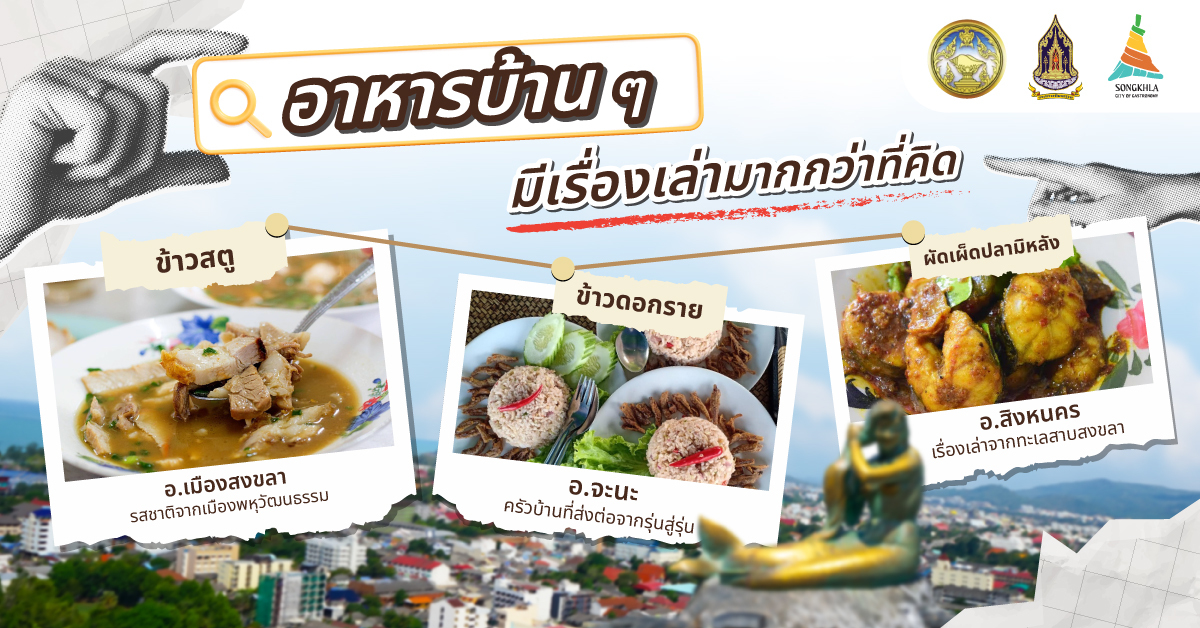
- Khao Stu (Songkhla-style stew rice)
- Tao Kua (Southern stir-fried tofu and seafood dish)
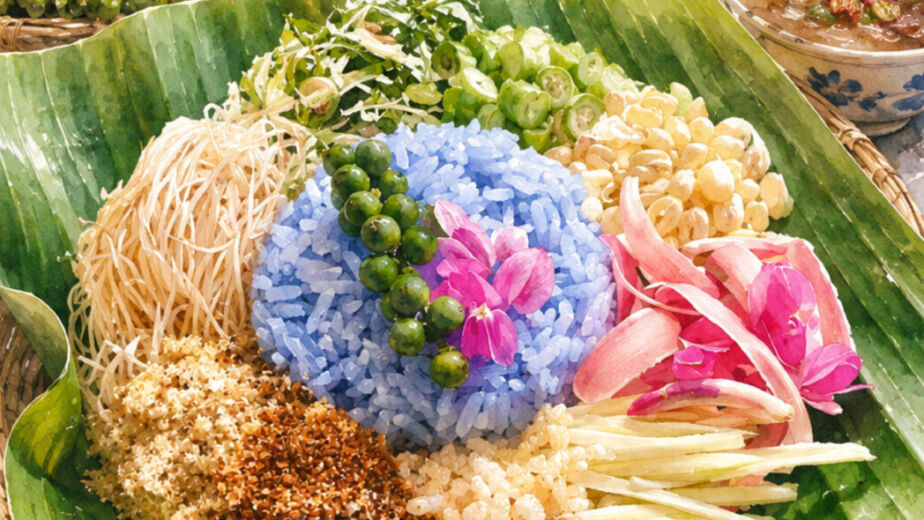
- Khao Yam (Southern herb rice salad)
- Chicken Curry Rice
- Traditional local desserts
Chana District
- Khao Dok Rai Rice
- Traditional Shrimp Paste
- Mo Kaeng Hua Khao Daeng
- Traditional local desserts
- Community-based local dishes unique to Chana
Singhanakhon District
- Traditional local desserts
- Dishes connected to the Songkhla Lake ecosystem
- Foods rooted in fishing and coastal community traditions
Conclusion
Songkhla Heritage Food reveals the beauty hidden within everyday local cuisine.
These dishes may not always appear elaborate, yet they carry immense value through the stories they preserve—stories of family traditions, community wisdom, local ingredients, and the natural landscapes that have sustained generations of people.
By looking beyond the plate, we begin to understand that Songkhla’s true richness lies not only in its flavors but also in its living cultural heritage.
Heritage Food therefore represents one of the most important foundations for Songkhla’s future as a sustainable gastronomy city.
For those who wish to understand Songkhla more deeply, the journey can begin with a simple local dish. Behind every bite is a story, and behind every story is a community that continues to keep its culinary heritage alive.